Your roadmap
Every BER comes with an advisory report. It is a personalised plan for that property, showing which upgrades would improve the rating and roughly what order to do them in.
Most people file it away with the certificate and never read it. It is the single most useful document for planning upgrades, because it is built from the actual survey of your home rather than a generic checklist. Reports aim to bring a home up to a B or better, although some homes, such as heritage buildings, cannot realistically get there and any improvement still counts.
What moves a rating
The right mix depends on the house, but the upgrades that make the biggest difference tend to follow the same order.
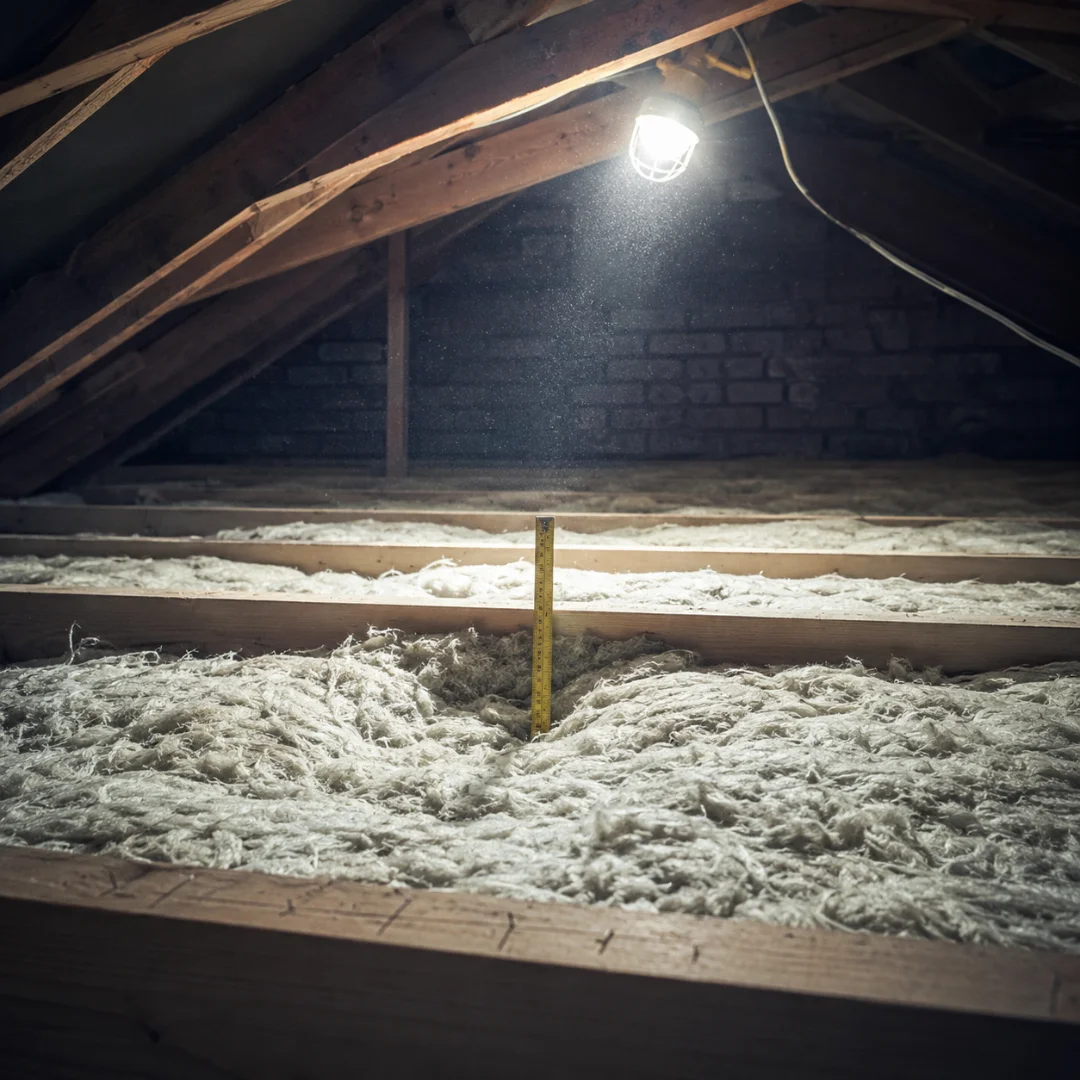
Usually the cheapest upgrade with a visible effect on the rating. Topping up thin or patchy attic insulation is often the first thing an advisory report recommends.
Cavity fill, internal dry-lining or external insulation. Walls are a large share of the heat a home loses, so this is often the biggest fabric improvement available.
Better glazing and a more airtight home cut heat loss and draughts. Draught-proofing windows, doors and the attic hatch is a small job that helps comfort as well as the rating.
Once heat loss is under control, a more efficient system makes a big difference, with a heat pump usually the largest single change. A heat pump grant needs the home's heat loss checked first. How the heat pump assessment works.
Solar PV or solar water heating add renewable energy on site, which improves the rating further and is part of what the top A0 band requires. What each band means.
Getting the credit
A BER only reflects what the assessor can see or verify on the day, so plan for that from the start.
Use the recommendations to decide what to do and in what order. Doing several upgrades together is often better value than spreading them out.
SEAI grants have conditions, and some need approval before work begins. Check before you sign with a contractor.
Insulation hidden in walls or under floors cannot be seen. Paperwork lets the assessor credit it instead of using default values.
Upgrades do not change your rating automatically. A new assessment records the improvement and gives you an up to date certificate.
Finding it
Improving to B or better can also make a home eligible for a lower mortgage rate. See what BER you need for a green mortgage.